A B2B SaaS dashboard for food-service operations management, built for multi-tenant use across 11 international regions with role-based access control and localization in 7 languages.
enterprise
2026
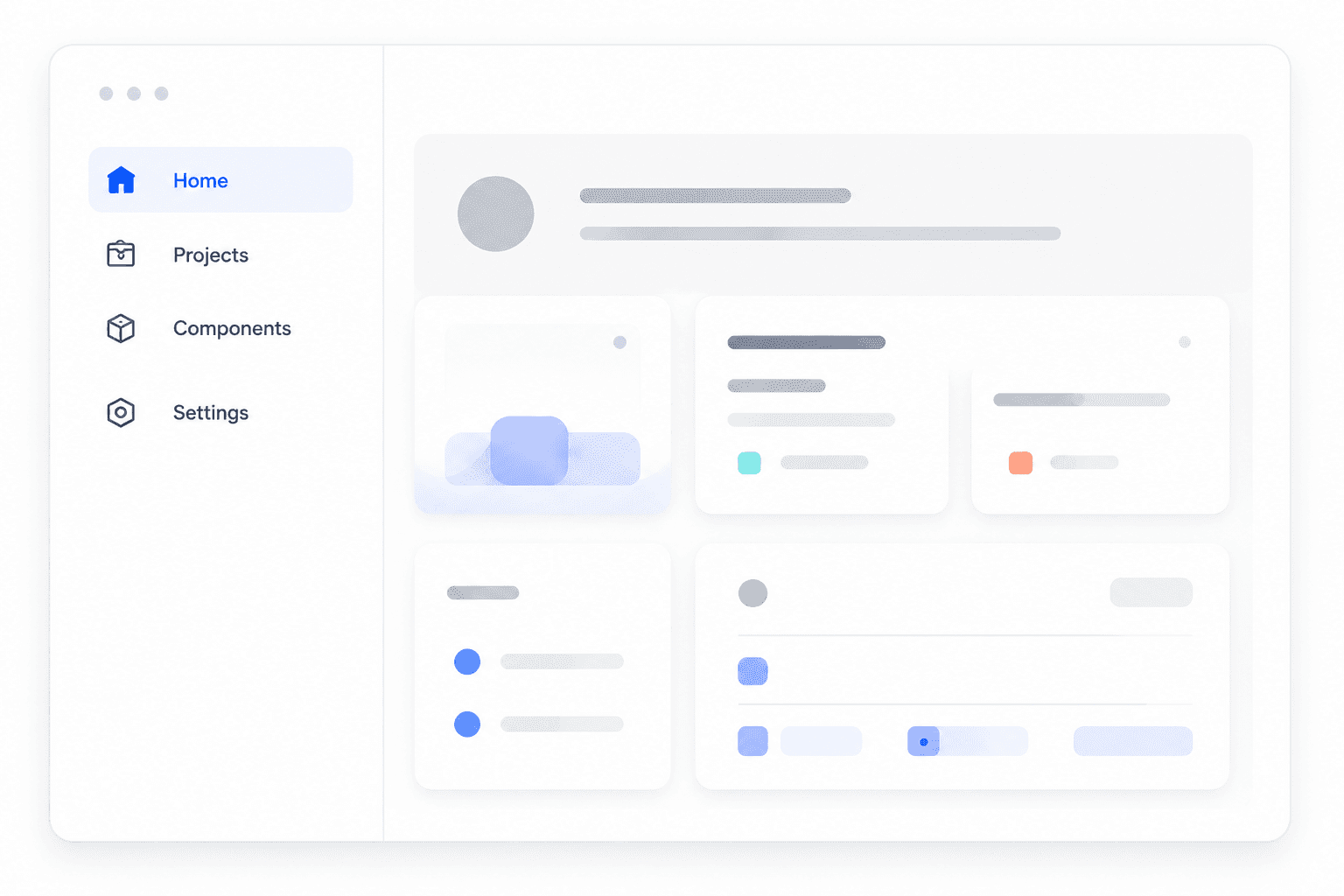
Aarambh is a B2B SaaS dashboard built to centralize the configuration and management of operations for enterprise clients across multiple international regions. Architected and built from scratch as the sole contributor, and later scaled with a team, the platform serves different types of operators — each with their own scoped access and capabilities — all through a single unified interface. It is structured around three distinct operational domains: service configuration, finance management, and an admin-facing module for end-user management, each exposing a focused set of workflows tailored to the operator's role. Every page and action is gated behind a fine-grained permission system, with permissions sourced and resolved differently depending on the domain. The platform is designed for global scale from the ground up — with runtime region detection that loads region-specific behavior based on the deployment environment, localization support across multiple languages, and a consistent experience regardless of where or how it is accessed.
To keep the codebase consistent and scalable as it grew, a strict project architecture was established early — covering folder conventions, naming rules, API patterns, and component guidelines, all documented so that team members could onboard and contribute without ambiguity. A centralized API client was built with a discriminated union response type, ensuring every API call across the entire application handles success and failure in a predictable, type-safe way with no ad-hoc error handling scattered across components. Access control was standardized through a single reusable permission utility that any page can invoke in one line, resolving permissions consistently regardless of the module or domain. A runtime region configuration system was designed to detect the deployment environment at load time and inject region-specific behavior — currencies, feature toggles, and UI variations — without any branching logic leaking into the UI layer. Finally, an internal UI component library was built to standardize inputs, dropdowns, dialogs, and layout components across all modules, ensuring a consistent user experience and reducing duplicated code as the team scaled.

React

TypeScript

Material UI

Redux

Axios

i18next

Vitest
